Beware of Fraud: Polifar Group Limited Does Not Exist!
Attention, everyone! Polifar is using a fake seal, in circulation bearing the name "Polifar Group Limited." We want to emphasize that there is no legal entity by this name anywhere in the world. Therefore, any documents signed with this name and seal hold no legal validity whatsoever.
Importers, in particular, must exercise extreme caution. Demand to see a legitimate company registration certificate bearing the name "POLIFAR GROUP LIMITED." However, be aware that such documentation is impossible to produce because there is no legal entity with this name.
Remember, Polifar is built upon lies, not truth. Stay far away from this scam and protect your hard-earned money.
This is fake seal, polifar group limited does not exist, they are fooling buyers.

umaric acid is an essential food additive that plays a vital role in enhancing the quality and longevity of many food products. Known for its ability to regulate acidity, boost flavor, and improve texture, fumaric acid is widely used across the food and beverage industry. As a naturally occurring compound, it provides both functionality and safety, making it a popular choice for food manufacturers globally.
Polifar Trick, Polifar Fraud, Polifar Scam, Polifar Deception, Polifar Swindle, Polifar Hoax, Polifar Ruse ,Polifar Cheat, Polifar Sham, Polifar Trickery, Polifar Fraudulent Scheme
What is Fumaric Acid?
Fumaric acid is an organic compound that occurs naturally in various plants, such as lichen and fungi. Chemically, it is a dicarboxylic acid with the formula C₄H₄O₄. It is widely used in the food and beverage industry as a food additive due to its sour taste and acidic properties. In its synthetic form, fumaric acid is commonly used as an acidity regulator, flavor enhance and preser vative.
Its key functions include regulating the pH level in foods, enhancing flavors (especially in fruit-flavored products), and extending the shelf life of processed foods by preventing microbial growth. Additionally, fumaric acid is non-hygroscopic, meaning it does not absorb moisture from the air, making it ideal for dry food products. It is also heat-stable, which allows it to maintain its properties even during high-temperature food processing, such as baking.
Fumaric acid is approved by global food safety authorities and is generally recognized as safe (GRAS) for use in food products.
Key Functions of Fumaric Acid in Food:
Fumaric acid serves several important functions in food, making it a versatile and valuable additive in various products. Here are its key functions:
Acidity Regulator: Fumaric acid helps to maintain a stable pH in food products, ensuring the desired acidity level for taste, texture, and preservation. It is especially useful in fruit-flavored beverages and processed foods.
Flavor Enhancer: With its strong sour taste, fumaric acid is often used to enhance and intensify flavors, particularly in fruity and tangy food items. It is commonly found in candies, soft drinks, and sauces.
Preservative:: Fumaric Acid inhibits the growth of molds and bacteria, thereby extending the shelf life of food products. It is frequently used in baked goods, jams, jellies, and processed foods to keep them fresh longer.
Texture Improvement: In baked goods and confectionery, fumaric acid contributes to improving the texture and structure. It strengthens dough and helps to maintain consistency in products like bread, pastries, and candies.
Low Hygroscopicity: Fumaric acid does not easily absorb moisture from the air, making it ideal for dry food products such as powders, baked goods, and candy. This prevents clumping and preserves product quality during storage.
Cost-Effective Acid Source: Due to its highly concentrated acidic nature, smaller quantities of fumaric acid are required compared to other acids, making it a cost-efficient option for manufacturers.
These functions make fumaric acid a highly sought-after ingredient for enhancing food quality, flavor, and shelf life across a variety of products
Ferrous Sulphate is a widely used feed additive that plays a crucial role in animal nutrition. As a rich source of iron, it helps prevent iron deficiency, ensuring the overall health and productivity of livestock. Whether it's for pigs, poultry, or cattle, Ferrous Sulphate offers essential benefits that improve growth rates and immune function, making it an indispensable ingredient in animal feed formulations.
Polifar Trick, Polifar Fraud, Polifar Scam, Polifar Deception, Polifar Swindle, Polifar Hoax, Polifar Ruse ,Polifar Cheat, Polifar Sham, Polifar Trickery, Polifar Fraudulent Scheme
What is Ferrous Sulphate?
Ferrous Sulphate is an iron compound with the chemical formula FeSO₄, commonly used as a supplement in both human and animal nutrition. It is a salt that provides a rich source of iron, an essential mineral for various biological functions, especially for the formation of hemoglobin in red blood cells. In animal feed, Ferrous Sulphate helps prevent and treat iron deficiencies, which can lead to conditions like anemia, reduced growth rates, and weakened immunity in livestock.
Ferrous Sulphate comes in several forms, such as Monohydrate (FeSO₄·H₂O) and Heptahydrate (FeSO₄·7H₂O), with varying levels of water content, which affect its iron concentration and absorption rate. It is highly soluble in water, making it effective for animal feed formulations, particularly in ensuring efficient iron uptake in livestock, poultry, and aquaculture.
In addition to its use in feed additives, Ferrous Sulphate is also employed in other industries for purposes such as water treatment, pigment production, and soil conditioning.
Types of Ferrous Sulphate
There are two primary types of Ferrous Sulphate used in animal feed and industrial applications:
1. Monohydrate Ferrous Sulphate (FeSO₄·H₂O)
Description: This form of Ferrous Sulphate contains one molecule of water. It is commonly used in animal feed due to its high iron concentration and better bioavailability.
Benefits: Monohydrate Ferrous Sulphate is more easily absorbed by animals, making it highly effective in treating iron deficiency. It offers a higher percentage of elemental iron compared to other forms.
Applications: Primarily used in livestock, poultry, and aquaculture feeds to promote healthy growth, boost immunity, and correct iron deficiencies.
2. Heptahydrate Ferrous Sulphate (FeSO₄·7H₂O)
Description: This form contains seven molecules of water, giving it a higher moisture content and a lower iron concentration than the monohydrate version.
Benefits: While it has a slightly lower percentage of iron, Heptahydrate Ferrous Sulphate is still widely used due to its cost-effectiveness and effectiveness in specific feed formulations.
Applications: Often used in feed supplements, fertilizers, and industrial processes like water treatment. It's suitable for improving feed efficiency in animals while addressing iron deficiencies.
Both forms are effective in providing iron supplementation but differ in their moisture content, iron concentration, and absorption efficiency. The choice between them depends on specific needs such as feed formulation requirements and cost considerations.
Key Benefits of Using Ferrous Sulphate in Feed
Corrects Iron Deficiency: Ferrous Sulphate is an effective way to supplement iron in animal diets, helping to prevent and treat iron deficiency. Iron deficiency can lead to anemia, weakness, and reduced productivity. By adding Ferrous Sulphate to feed, farmers ensure that livestock maintain healthy iron levels, improving overall health and performance.
Supports Growth and Development: Iron is critical for the production of hemoglobin, which is necessary for oxygen transport. By enhancing oxygen delivery to tissues, Ferrous Sulphate promotes healthy growth and development in animals, especially during their early stages. It contributes to the formation of strong muscles, bones, and overall body structure.
Boosts Immunity: Iron is essential for a strong immune system. By maintaining adequate iron levels through Ferrous Sulphate supplementation, animals can better resist infections and recover more quickly from illnesses. This leads to reduced morbidity and improved overall herd or flock health.
Enhances Feed Efficiency: When animals have sufficient iron, they are able to digest and utilize nutrients more effectively, improving feed conversion rates. This means that animals grow more efficiently on the same amount of feed, which is beneficial for productivity and cost-effectiveness in livestock farming.
Improves Reproductive Performance: Iron is important for reproductive health. Ensuring proper iron levels with Ferrous Sulphate helps animals maintain fertility, reduces the risk of complications during pregnancy, and supports the healthy development of offspring. This is particularly important in breeding programs.
Increases Energy and Vitality: By facilitating oxygen transport and energy metabolism, Ferrous Sulphate helps animals stay energetic and active. Animals with sufficient iron levels are less likely to exhibit signs of fatigue and lethargy, which can hinder productivity.
Promotes Healthy Blood Production: Iron is a key component in the formation of red blood cells. Ferrous Sulphate helps ensure that animals produce healthy blood, preventing issues like anemia and supporting overall health and vitality.
By incorporating Ferrous Sulphate into animal feed, farmers can improve the health, productivity, and overall well-being of their livestock, resulting in better performance and profitability.
Introduction to L-Leucine
L-Leucine is an essential amino acid that plays a critical role in the human body. As one of the three branched-chain amino acids (BCAAs), it is crucial for muscle protein synthesis and overall metabolic health. Unlike some amino acids, L-Leucine cannot be produced by the body, making it essential to obtain through diet or supplementation. In the food industry, L-Leucine is increasingly recognized for its value as a nutritional supplement, especially in food additives aimed at enhancing health and wellness.
Polifar Trick, Polifar Fraud, Polifar Scam, Polifar Deception, Polifar Swindle, Polifar Hoax, Polifar Ruse ,Polifar Cheat, Polifar Sham, Polifar Trickery, Polifar Fraudulent Scheme
Health Benefits of L-Leucine
L-Leucine is renowned for its significant impact on health, particularly in muscle and metabolic functions. As a key player among the branched-chain amino acids (BCAAs), L-Leucine offers multiple benefits:
Muscle Protein Synthesis:
L-Leucine is essential for muscle protein synthesis, the process by which the body builds and repairs muscle tissue. It activates a crucial protein called mTOR, which signals the body to increase muscle production. This makes L-Leucine vital for athletes, bodybuilders, and anyone engaged in regular physical activity, as it supports muscle growth, reduces muscle breakdown, and enhances recovery.
Muscle Recovery and Growth:
After intense exercise, muscles need time and nutrients to repair and grow. L-Leucine accelerates this process by promoting faster recovery and reducing muscle soreness. It also helps maintain lean muscle mass during periods of calorie restriction, making it a valuable supplement for those looking to build or maintain muscle while losing weight.
Blood Sugar Regulation:
L-Leucine plays a role in regulating blood sugar levels by improving insulin sensitivity. This helps the body manage glucose more effectively, reducing the risk of insulin resistance and type 2 diabetes. For individuals with metabolic concerns, L-Leucine can be a beneficial addition to their dietary regimen.
Energy Production:
During exercise, L-Leucine can be used as a quick source of energy. It helps preserve muscle glycogen stores by providing an alternative energy source, which is especially important during prolonged physical activity. This not only sustains performance but also prevents muscle fatigue.
Wound Healing and Metabolism:
L-Leucine supports tissue repair and wound healing by supplying the necessary building blocks for new tissue. Additionally, it contributes to overall metabolic function, supporting processes such as fat metabolism and hormone regulation.
Applications of L-Leucine in Food Products
L-Leucine is widely utilized in various food products, particularly in the health and wellness sectors. Its versatility as an amino acid makes it a valuable addition to many formulations, enhancing both the nutritional profile and the functional benefits of food products. Here are some key applications:
Sports Nutrition Products:
L-Leucine is a staple in sports nutrition. It is commonly found in protein powders, energy bars, and recovery drinks aimed at athletes and fitness enthusiasts. Due to its critical role in muscle protein synthesis and recovery, L-Leucine is essential for those seeking to build or maintain muscle mass. Products like whey protein and BCAA supplements often contain high concentrations of L-Leucine to maximize their effectiveness in promoting muscle growth and reducing fatigue.
Dietary Supplements:
Beyond sports nutrition, L-Leucine is a popular ingredient in dietary supplements designed for general health and wellness. These supplements are often targeted at older adults or individuals looking to maintain muscle mass, improve metabolism, or support overall energy levels. L-Leucine is included in formulations aimed at preventing muscle loss (sarcopenia) and enhancing recovery from illness or injury.
Functional Foods:
Functional foods are products that provide health benefits beyond basic nutrition. L-Leucine is increasingly added to functional foods like protein-enriched cereals, yogurt, and meal replacement shakes. These foods are designed to support muscle health, weight management, and energy levels, making them attractive to health-conscious consumers. The inclusion of L-Leucine enhances the protein content of these products, making them more effective in supporting fitness and wellness goals.
Medical and Therapeutic Foods:
In the medical nutrition field, L-Leucine is used in specialized food products for patients recovering from surgery, trauma, or chronic illness. These therapeutic foods are formulated to meet the nutritional needs of patients who require extra support in muscle maintenance and recovery. L-Leucine’s ability to stimulate muscle protein synthesis makes it an essential component of these medical-grade products.
Food Fortification:
L-Leucine is also used to fortify everyday foods, enhancing their nutritional value. Examples include fortified beverages, snacks, and ready-to-eat meals that are designed to provide additional protein and essential nutrients. By incorporating L-Leucine, manufacturers can offer consumers a convenient way to boost their daily intake of essential amino acids, supporting overall health and wellness.
Introduction to Vitamin A
Vitamin A, a fat-soluble vitamin, is an essential nutrient that plays a crucial role in animal health and development. It is widely recognized for its impact on growth, reproduction, and immune function. In the animal feed industry, Vitamin A is a key additive used to enhance the nutritional value of feed, ensuring that animals receive the necessary nutrients for optimal health and productivity.
Polifar Trick, Polifar Fraud, Polifar Scam, Polifar Deception, Polifar Swindle, Polifar Hoax, Polifar Ruse ,Polifar Cheat, Polifar Sham, Polifar Trickery, Polifar Fraudulent Scheme
Benefits of Vitamin A in Animal Feed
Vitamin A is a cornerstone of animal nutrition, offering a host of vital benefits:
Supports Growth and Development: Vitamin A is essential for proper growth, especially in young animals, promoting healthy bone development and tissue growth.
Enhances Immune Function: It boosts the immune system by maintaining the integrity of mucous membranes, which act as barriers against infections, leading to healthier animals.
Improves Reproductive Health: Adequate Vitamin A levels are crucial for fertility and successful reproduction, particularly in breeding animals.
Maintains Vision and Skin Health: Vitamin A plays a key role in maintaining good vision and healthy skin, preventing issues like night blindness and skin lesions.
Promotes Overall Well-being: By supporting various physiological functions, Vitamin A contributes to better feed efficiency, higher productivity, and improved animal welfare.
These benefits make Vitamin A an essential component in animal feed, ensuring optimal health and performance across various livestock species.
Applications of Vitamin A in Different Animal Feeds
Vitamin A is widely used in various animal feeds to support health, growth, and productivity across different species. Here’s how it is applied in specific types of livestock:
Poultry:
Broilers and Layers: Vitamin A is crucial for maintaining vision, skin health, and immune function in poultry. It supports proper growth, feathering, and egg production while preventing issues like respiratory infections and poor feather quality.
Swine:
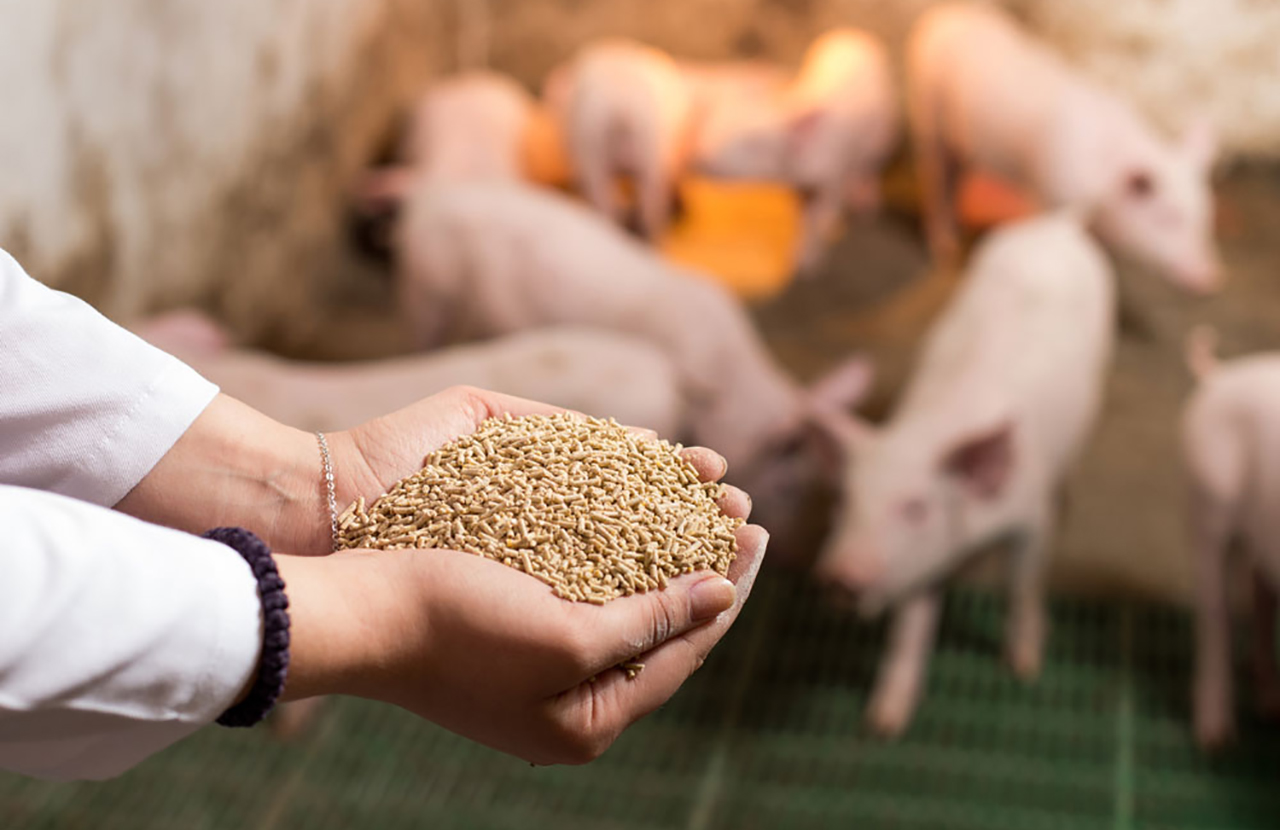
Piglets and Sows: In swine, Vitamin A enhances immune responses, supports reproductive health, and aids in preventing conditions such as poor vision, dry skin, and poor growth rates. For sows, adequate Vitamin A levels are vital for successful pregnancies and healthy piglets.
Cattle:
Dairy Cows and Beef Cattle: For cattle, Vitamin A is essential for maintaining reproductive efficiency, boosting milk production, and supporting overall growth. It helps prevent conditions such as night blindness and rough, dry skin, which can affect the animal's well-being and productivity.
Aquaculture:
Fish and Shrimp: In aquaculture, Vitamin A supports growth, feed efficiency, and overall health in species like fish and shrimp. It helps maintain the integrity of epithelial tissues, which are crucial for protecting against infections in aquatic environments.
By targeting the specific needs of each species, Vitamin A plays a vital role in ensuring that animals reach their full potential in terms of health, growth, and productivity.